Rise Funds The Joseph Lappin Centre to Enhance Lives through Walking Football & Ukulele Therapy
The Joseph Lappin Centre
The Joseph Lappin Centre, established in 2013, is located in Old Swan, Liverpool. the centre serves the Old Swan community and nearby areas, aiming to enhance people’s quality of life by supporting their social, physical, and educational well-being. The Centre provides a holistic environment for children, young people, and adults.
Rise Community Funding
Rise awarded community funding to The Joseph Lappin Centre to fund the new men’s over 50s Walking Football project – delivering weekly walking football sessions. Funding also supported the Memory Café Ukulele sessions – delivering bi-weekly ukulele workshops for those with dementia and their carers.
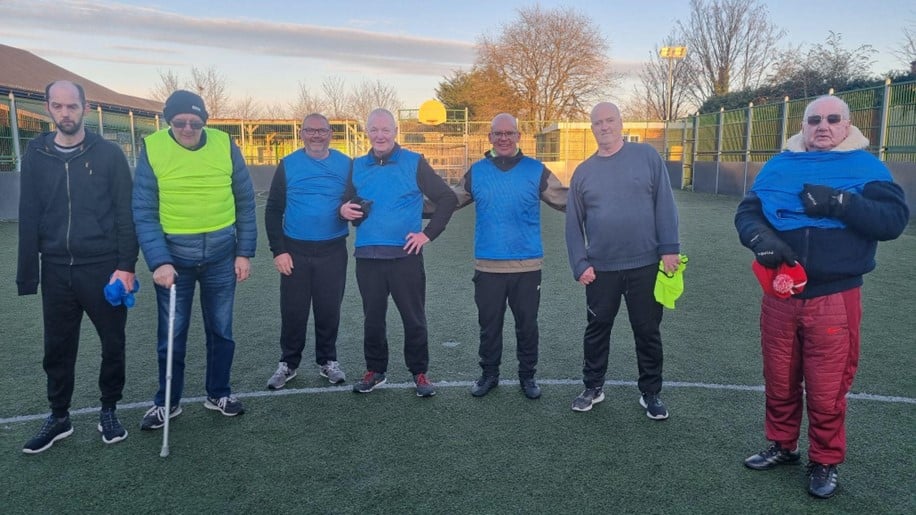
Walking Football
The Walking Football sessions are free for participants and are designed to help men reduce the risk of cardiovascular disease, type 2 diabetes, obesity-related conditions, strokes, and cognitive decline. The sessions also improve balance, coordination, joint mobility, and muscle strength.
Each week, up to 25 participants can join, playing 8-a-side games with rolling substitutions to ensure everyone gets a chance to play. The sessions began in December and currently have 15 participants. After each session, refreshments are provided, giving the men an opportunity to socialise and catch up.
Feedback:
One participant is a man in his early 40s who suffered a stroke a few years ago. He has limited speech, low mobility, and an amputated arm. After leaving work and moving in with his mother, he lost his independence and became isolated. He stopped spending time with friends, felt ashamed of his mobility issues, and avoided social events.
In his youth, he was passionate about football. Since attending the sessions, he has regained confidence and says they make him feel like his old self. Making new friends through these sessions has also encouraged him to reconnect with old friends.
Ukulele Therapy
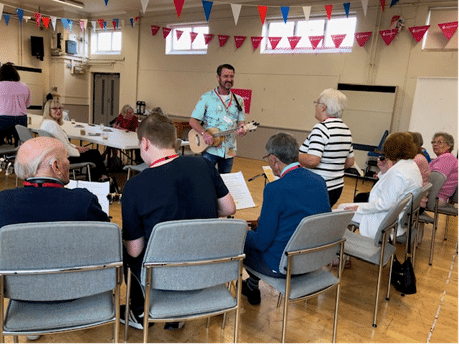
The ukulele sessions at the Memory Café offer music therapy to stimulate cognitive function, boost mood, and improve overall well-being. Participants with dementia often start out shy and withdrawn, but they quickly gain confidence week by week. Being part of the group and learning music allows them to express themselves, make friends, and look forward to something enjoyable. Since starting these sessions, many participants and their caregivers have seen significant improvements in their health and well-being.
Feedback:
One session participant attends the ukulele sessions with a friend. Initially, she was shy due to her recent diagnosis and felt very isolated. Learning the ukulele with the group has helped her make friends by sharing camaraderie and stories about what the songs mean to them.
She has grown in confidence by spending time with like-minded people. She now enjoys sharing memories triggered by the music and actively encourages new members to get involved, almost co-leading the group with Brian, the group leader.
She says, “My favourite song we play is ‘Little Old Wine Drinker, Me.’ My husband was such a fan of Dean Martin. He has passed away now, but the song always brings back lots of memories. It’s nice to sing along with my friend who comes with me.”
Watch how Rise community funding is helping third sector organisations to deliver vital services across communities that truly change lives.